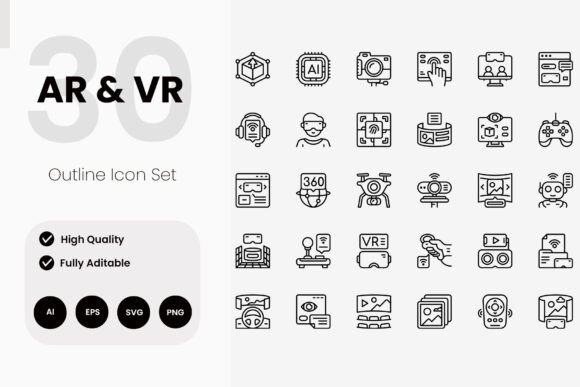
AR & VR Icons: A Designer's Review for Modern Graphics
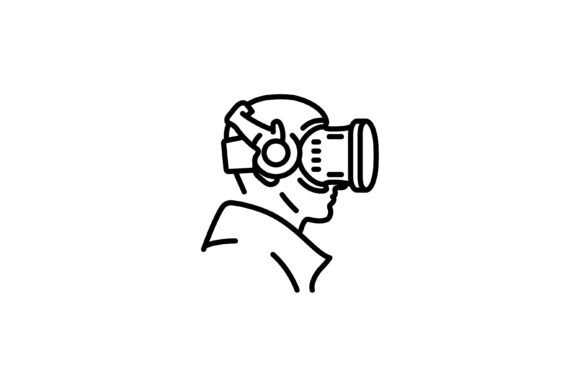
As a graphic designer constantly juggling branding projects for tech startups and futuristic product launches, my first impression of the AR and VR Technology Icon Pack was one of immediate utility. In an industry where visual language evolves rapidly, finding a graphic design asset that accurately captures the nuance of Augmented and Virtual Reality without feeling cliché is rare. Upon opening the files, the mood created is distinctly modern and sleek. The lines are crisp, suggesting precision engineering, while the stylistic choices lean heavily into a clean, digital aesthetic that feels at home in 2024 and beyond. This isn't just a collection of clipart; it is a curated set of Icons and Graphics designed to elevate a brand identity that relies on innovation.
Visualizing the Future for Client Brands
I recently utilized this pack while developing a visual concept for a small business launching a new line of smart home devices. The client needed a brand identity that communicated high-tech capabilities without alienating non-technical consumers. The AR and VR Technology Icon Pack fit this direction perfectly. The icons possess a balanced weight that allows them to function as standalone hero graphics or subtle decorative accents within a larger layout. For this specific project, the assets helped bridge the gap between complex technology and user-friendly design. Whether used in packaging design to highlight features or in social media graphics to explain functionality, the pack provided a consistent visual thread that tied the entire campaign together.
The versatility of these design assets extends far beyond digital screens. In my workflow, I often test how vector-based elements translate to physical products. For a print-on-demand seller or an Etsy product creator focusing on tech-themed apparel, these icons are invaluable. I can easily envision them working as a central motif for a t-shirt design, where the clean lines hold up well against fabric textures. Similarly, for a Cricut project involving laptop decals or window stickers, the simplicity of the shapes ensures that the cut paths are clean and the final application looks professional. The pack serves as a robust foundation for anyone looking to create printable design materials that need to look sharp whether scaled up for a poster or down for a business card.
Performance Across Real-World Applications
When evaluating a digital product like this for commercial use, context is everything. The AR and VR Technology Icon Pack shines brightest in large layout areas and hero sections of web pages. When placed against a dark background with a slight glow effect, these illustrations create a striking modern design statement that grabs attention immediately. They are equally effective in editorial design, such as whitepapers or tech blogs, where they break up text and provide visual cues about the subject matter. For marketing visuals intended for LinkedIn or Twitter, the icons add a layer of professionalism that generic stock photos often lack.
However, a seasoned designer knows that no asset is universal. There are scenarios where the AR and VR Technology Icon Pack should be used with caution. In extremely crowded layouts or minimalist branding projects that rely on vast amounts of negative space, these icons might feel too busy if not spaced correctly. Because they represent complex technologies, they can sometimes compete with typography if the font choice is too ornate. I would advise against pairing them with heavy script fonts or overly decorative display fonts. Instead, they pair beautifully with geometric sans-serif fonts that mirror their structural integrity. Furthermore, in low-contrast designs or on textured backgrounds, the finer details of the VR headsets or AR overlays might get lost, so ensuring strong contrast is vital for maintaining visual hierarchy.
Impact on Brand Trust and Engagement
The ultimate goal of any commercial design is to build trust and recognition. Using a cohesive set of Icons helps establish a sense of reliability. When a potential customer sees consistent imagery across a website, a brochure, and an Instagram post, it signals that the brand is established and thoughtful. The AR and VR Technology Icon Pack contributes to this by offering a unified style that prevents the "frankenstein" look of mismatched graphics. This consistency boosts audience engagement because the viewer doesn't have to work hard to understand the visual message. The emotional appeal here is one of confidence and forward-thinking, which is exactly what clients in the tech sector want to project.
Practical Notes for Professional Implementation
Before integrating this pack into a final client deliverable, there are several practical steps I always take. First, I test the icons in black and white to ensure they retain their shape and recognizability without relying on color. This is crucial for sublimation design or single-color print jobs. Next, I check the contrast on both light and dark backgrounds to guarantee accessibility. It is also essential to preview the assets at various sizes; while they look great on a desktop monitor, do they remain clear on a mobile screen or a small sticker design?
Regarding file formats, inspecting the PNG transparency is a must to avoid unwanted white boxes around the graphics. If the pack includes SVG or vector files, I verify the editability of the nodes to ensure I can tweak the stroke width or simplify the path if necessary for specific cutting machines. Comparing the icon style with the chosen typography is another critical step; the visual weight of the icons should complement the font, not overpower it. Finally, and perhaps most importantly, I always confirm the commercial license terms. Knowing that these design bundle elements are cleared for client work provides peace of mind and protects both the designer and the business owner from legal issues.
In conclusion, the AR and VR Technology Icon Pack is a potent tool for designers working in the tech space. It offers a professional, polished look that enhances small business branding and large-scale corporate campaigns alike. By understanding its strengths in web design and product mockups, and respecting its limitations in complex layouts, designers can leverage this asset to create compelling, future-ready visuals that resonate with audiences.